How to Choose Epoxy Paint: Benefits, Costs & Application Guide
-
- June 15th, 2026
- 65 views

FREE SEO Topical Map Generator: Find Your Next Content Ideas
In environments like floors and walls or metal, where surfaces see a lot of use every day, the right surface finish matters.
Though a regular coat will wear and tear very quickly from stains, moisture, oil, scratches, chemicals, and heavy traffic. It makes a more robust protective layer while also enhancing the premise.
Many property owners have used it for tons of applications, including concrete floors, garages, workshops, warehouses, factories, service areas, and other commercial buildings.
The following 2026 guide details its operation, where to use it, what factors influence its cost, and why proper preparation is critical.
What Is Epoxy Paint?
Epoxy paint is a paint that uses epoxy resin or is made of an epoxy-modified formula. Most of the pro stuff is a 2-component system: resin and a hardener. The materials harden when they react with each other by mixing to form a hard-bonded film.
This is different from standard decorative paint, which offers color with only basic protection. A two-part epoxy coating is specifically developed to create a stronger film that will resist more severe use, abrasion, stains, and certain chemicals.
Formulations vary. Others are high-debossed industrial systems, and some are thin, aqueous coverings on light-helper spaces.
Before purchasing, check the label details, including the technical data sheet (TDS), approved substrate, coverage, mixing ratio, pot life, and curing instructions.
Main Types of Epoxy Paint
Water-Based Epoxy
Most water-based products are more user-friendly and clean up more easily. Often have a lower odor than solvent-heavy systems, concession projects, and interiors with light or moderate traffic.
Solvent-Based Epoxy
Strong adhesion and performance can be obtained using solvent-based coatings. They can release more potent vapors, so good airflow, PPE, and safety controls must be used.
100% Solids Epoxy
A 100%-solids system contains either none or an insignificant amount of evaporating carrier. This makes it ideal for busy commercial and industrial floors, as it creates a thicker layer. Experienced applicators may be needed for brief working periods.
One-Part and Two-Part Products
The one-component product is used in the ready-to-use state. NOTE: A two-part epoxy resin paint is mixed prior to application. Do not use the term "epoxy" to compare content solids, mileage, abrasion resistance, and chemical resistance—you should be comparing the metrics.
Major Benefits of Epoxy Paint
Strong and Durable Finish
A good system will defend against pedestrian traffic, tires, carts, instruments, and commonplace wear on concrete and other approved surfaces.
Resistance to Stains and Chemicals
A properly chosen epoxy paint system can resist many common oils, cleaners, stains, and chemicals. It makes it ideal for places of work, garages, workshops, warehouses, factories, kitchens, and repair zones.
Check the manufacturer's resistance chart prior to choosing the coating, as chemical resistance is product-specific.
Easier Cleaning
Floors that are smooth and sealed have much fewer open pores available for dirt and spills to set. However, if you sweep and use the proper cleaning products, it will be more manageable to keep looking good.
Improved Appearance
Finishes available include gloss, satin, solid-color, textured, metallic, and quartz or decorative flake effects. Coordinates and lines on the ground can also add layout and movement.
Long-Term Value
Good preparation, the right primer, the right film thickness, and the right topcoat not only delay early peeling but also minimize repair work and rescinding.
Versatile Applications
Concrete floors, selected walls, prepared metal and machinery bases, retail areas, and commercial facilities can generally be specified for use with epoxy systems.
How Can It Be Used in Epoxy Paints?
The proper application of epoxy paint is contingent on the substrate, moisture, traffic, exposure, and finish required. A garage product should never be used automatically in a food facility, on an outdoor terrace, or in a heavy industrial plant.
Garage Floors
An epoxy floor paint can guard against tire traffic, dirt, oil drips, and working out of the pattern—if you get a suitable one. Subtle features are concealed by decorative flakes as well—small scratches and textures.
Warehouses and Factories
General-purpose industrial systems work for forklifts, equipment impact, abrasion, and chemicals. More active sites may also require slip-resistant aggregate, line marking, or even a thicker multi-coat build.
Workshops and Service Areas
Sealed surfaces are less difficult to clean and protect the cloth from grease, gear, components, and everyday repairs.
Commercial Buildings
Epoxy systems are where hygiene, durability, and appearance matter: showrooms, shops, laboratories, hospitals, or kitchens; and on floors in offices or back of house.
Residential Spaces
If you choose the correct system, basements, utility rooms, storage areas, patios, and some interior floors may be suitable.
Now this is especially important when it comes to caring for outdoor areas because common epoxies can change or lose gloss, resulting from constant exposure to sunlight that lasts a long time.
Metal, Walls, and Vertical Surfaces
An epoxy primer or other protective coatings may be used with prepared steel. Some wall systems give you wash-ready finishes for kitchens, clinics, and plant rooms/laboratories.
Disclaimer: Not every product is compatible with all surfaces, temperatures, moisture levels, or outdoor locations. Confirm compatibility before work begins.
Selection of Epoxy Paint
Start with the project type. An appliance in a home utility room, a bustling commercial retail space, and a factory floor have very different needs.
Look at the surface affordance and state. Think foot traffic, vehicle loads, machinery, cleaning chemicals, heat, and sunlight exposure all combined with standing water and risk of slip. Manual & electrostatic spray: Compare water-based, solvent-based, high-solids & multi-layer systems.
Will the spec require a primer, body coat, broadcast aggregate, and/or UV-resistant topcoat? Look for colors, gloss levels, textures, working time (i.e., how long it will take to start to cure), full cure time (i.e., how long before it's completely dry and hard all the way through), recoat window (one you should look out for if you are planning on applying multiple coats), coverage rule of thumb, and ventilation.
A like-for-like anti-slip finish may be required for wet or public areas. If the work is started without a clear product specification, it can lead to expensive changes.
How to Properly Apply Epoxy Paint
Inspect the Surface
Look for cracks; patches of weak concrete, bubbling areas with rising damp; hollow sounds from a tap water depth tool or hammer-tapping method; dust and oil spots on the surface of old coatings; or structural damage. Hiding a symptom with a paint job only buys you temporary time.
Clean and Repair
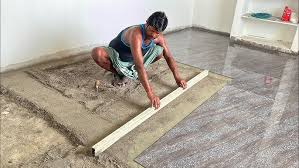
Flush contamination, wax, grease, dust, and curing compounds. Use appropriate materials to fill the cracks, holes, and worn-out portions.
Concrete stained with oil may need to be 'special washed' rather than simply washed at all.
Prepare the Surface
It will require you to grind, shot blast, sand, or use an approved methodology, if there is any. It is meant to get rid of weak material and provide the proper profile for adhesion.
A primary reason for coating failure, undoubtedly, is a lack of preparation. A clean surface can leak if it is too smooth, weak, damp, or contaminated below the surface.
Test for Moisture
Solvent in the concrete box, and it is forced out to form blisters, chalking, adhesion loss, or blistering of other materials. Use the method that is required by the manufacturer to test the slab.
When readings exceed the limits of the product, a moisture-tolerant primer or moisture-mitigation system may be required.
Apply the Primer
When necessary, utilize the indicated primer. It helps with bonding, it seals pores, it minimizes air bubbles, and it is helpful for an even finish.
The primer needs to be suited for the substrate and the next coating layer.
Mix the Components
Measure the resin and hardener to a T. Combine them with the machinery and mixing time as recommended.
Also, the pot life of a combined product is limited. Make just as much as you can easily utilize over that timeframe. Excess solvent or hardener can then compromise the final performance.
Apply the Coating
Distribute the material using the advised roller, brush, squeegee, or even professional tools. Keep to the coverage rate as stated and work wet edge.
A coat that is too light can also compromise protection. Too thick coats can entrain air, generate heat, or cure poorly.
Apply a Second Coat or Topcoat
There are certainly gains to be had in thickness, color, coverage, and durability with a second coat.
Often, a compatible polyurethane or polyaspartic topcoat is specified for increased UV stability, scratch resistance, gloss retention, or quicker return to service.
Allow Proper Curing
Prevent people, vehicles, water, dust, and chemicals from coming into contact until the necessary cure stage.
NOTE: Dry-to-touch time is not the same as full vehicle or chemical-service cure. Tire marks, scratches, or even damage can occur when you leave the area open early.
Common Epoxy Paint Mistakes to Avoid
Causes for coating failure include the following:
Apply over dirt, grease, wax, or other free material.
Ignoring concrete moisture
Coating weak or unstable concrete
Applying Incorrect Product for the Surface
Mixing resin and hardener incorrectly
Batching too much material to be used in the pot life
Dapting too thin or too thick of syrup
Outside of normal handling temperature or humidity
Ignoring ventilation and protective equipment
Introducing traffic to the site too soon
Using a sun-drenched, not indoor-only, system
Not using the required primer or topcoat.
The whole system rests on good preparation. A costly coating cannot fix a weak, wet, filthy, or inadequately prepared surface.
Epoxy Paint Cost Factors
In addition to the price of epoxy floor paint, the overall price also includes other elements. Key factors include:
Surface area and condition
Product quality and solids content
Number and thickness of coats
Primer and topcoat requirements
Grinding, sanding, or shot blasting
Crack repairs and levelling work
Concrete moisture treatment
Use of decorative flakes, quartz, or metallic effects
Slip-resistant additives
Labour, access, and equipment
Residential, commercial, or industrial requirements
If the product is unsuited to anticipated conditions of traffic, chemicals, sunlight, or moisture (for example), a cheap product could cost more later.
Commercial quotes need to clarify how prep was done, what is involved in each coat/number of coats, total thickness, finish (smooth or rough), cure time, and anything that is not included.
Cleaning and Maintenance Tips
Regularly sweep or vacuum up dirt that is abrasive. While people, trolleys, and vehicles with heavy wheels rolling over it can scratch the surface from sand or small stones.
Wipe off the spills immediately and only use recommended products on this coating. Do not drag metal, sharp tools, or heavy loads across the floor.
Put in place mats where it enters and in high-wear places. Check the surface for chips, scratches, or peeling, and fix any damage found to avoid water trapping underneath.
Keep away from hard acids, traumatic solvents, twine brushes, or abrasive cleaning resources until explicitly indicated as safe by way of the manufacturer.
FAQs
Is Epoxy Moisture Regulation Safe?
Yes. Concrete sounds great when it is sufficiently dry, clean, and properly prepared. This can lead to peeling and loss of adhesion from moisture, weak concrete due to low surface energy, oil contamination, or inadequate surface profiling.
How Long Does It Take to Dry?
Drying time varies per formulation and is influenced by temperature, humidity, thickness, and airflow. Pedestrian traffic might only be granted a pathway before an automatic vehicle or chemical service. Always adhere to the product data sheet.
Can It Be Used Outdoors?
Some systems can be used outdoors; however, standard epoxy is likely to yellow or lose gloss under long-term ultraviolet exposure. Instead of applying a high UV-resistant clear coat (CC) or exterior-quality flat.
Is an Epoxy Floor Slippery?
Wet or oily surfaces can make a smooth, glossy floor slippery. Traction can be increased by using compatible anti-slip aggregate, textured finishes, entrance mats, and maintenance.
Can You Apply Epoxy Over Old Paint?
When this is true: bonded and compatible, clean and dry, and properly abraded—only then should the old coating be coated. Remove any loose or non-adhering coatings. Test Section or Adhesion Test Before Full Application.